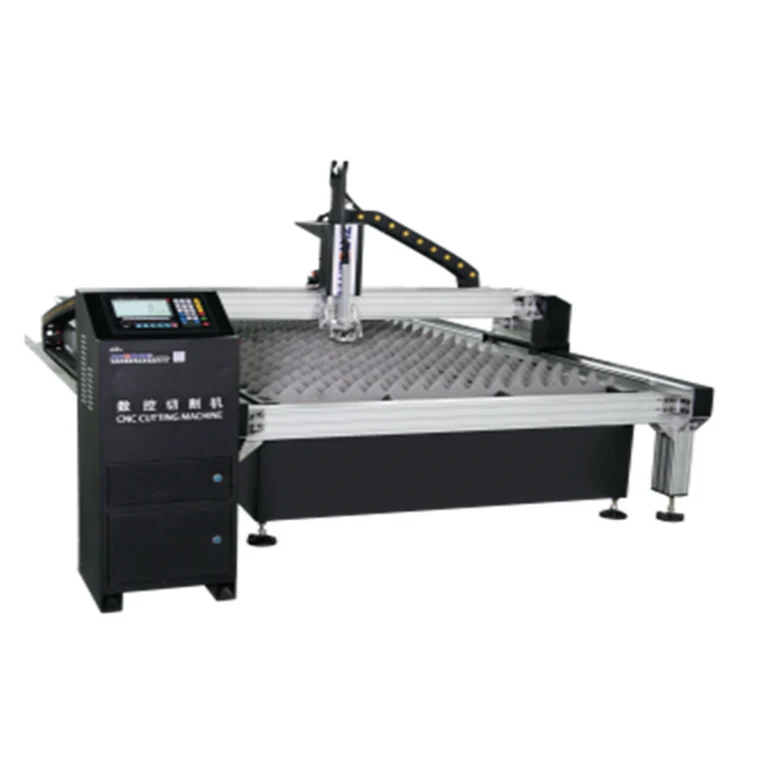
CNC machines help manufacturers achieve accurate cuts, consistent results, and faster production. However, even advanced equipment encounters problems that affect productivity and product quality. Tool wear, programming errors, and poor maintenance can interrupt daily operations.
Recognising common faults early helps operators prevent costly downtime and protect equipment. A clear understanding of CNC machines in UAE helps businesses maintain efficiency and achieve reliable results.
Tool wear and breakage
Cutting tools experience constant pressure, friction, and heat during machining. Over time, worn edges produce rough surfaces, inaccurate dimensions, and unwanted vibrations. Operators should inspect cutting tools regularly and replace damaged or dull ones promptly. Selecting suitable tools for each material also improves performance. Adjusting cutting speed and feed rate helps reduce excessive heat and extends tool life.
Inaccurate cutting and dimensional errors
Incorrect measurements can affect product quality and increase material waste. Improper tool calibration, loose fixtures, and incorrect machine settings commonly cause dimensional errors. Operators should check machine alignment and calibrate tools before starting production. Secure workpieces firmly to prevent unwanted movement during cutting. Regularly measuring finished components also helps identify accuracy problems before they affect larger production batches.
Excessive machine vibration
Unusual vibrations can affect cutting precision, damage tools, and produce rough surface finishes. Loose machine components, unbalanced cutting tools, and incorrect cutting speeds frequently cause this problem. Operators should inspect the spindle, tighten loose fittings, and check tool balance. Reducing excessive feed rates and selecting suitable cutting parameters also helps minimise vibration. Regular mechanical inspections keep the machine stable during demanding operations.
Overheating and cooling problems
High temperatures can damage cutting tools, affect machine components, and reduce machining accuracy. Insufficient coolant, blocked filters, and excessive cutting speeds commonly contribute to overheating. Operators should check coolant levels, clean clogged filters, and inspect the cooling system. Using the correct coolant for each material helps control operating temperatures. Proper ventilation also supports consistent machine performance during extended production runs.
Programming and software errors
Incorrect CNC programs can cause unexpected tool movements, inaccurate cuts, and production delays. Typing mistakes, incorrect coordinates, and unsuitable cutting parameters frequently lead to programming problems. Operators should review programs before production and run simulation tests to identify potential errors. Keeping software updated and maintaining backup copies of working programs also helps prevent unnecessary interruptions.